


How the City of San Antonio Determines the Occupancy Limit for Your Short-Term Rental
- Jul 13
- 3 min read
One of the most common questions we receive at STRASA is, "How does the City determine the maximum occupancy on my short-term rental permit?" The answer may surprise you.
It Starts With Your Application
When you apply for a Short-Term Rental (STR) permit, you are responsible for proposing the maximum occupancy of your property on the floor plan you submit.
Development Services Department (DSD) staff then reviews that floor plan to:
Verify the number of legal bedrooms.
Identify any designated sleeping areas.
Confirm that the proposed occupant load is appropriate and consistent with the San Antonio Property Maintenance Code.

In other words, the City does not simply assign an occupancy number based solely on the number of bedrooms. Instead, staff reviews the layout you've submitted and verifies that your proposed occupancy complies with the applicable code requirements.
What Does the Property Maintenance Code Require?
The City's review is based on the San Antonio Property Maintenance Code, which establishes minimum habitability standards for bedrooms and sleeping areas.
Among the requirements:
Bedrooms must be large enough.
Every bedroom must contain at least 70 square feet of floor area.
If more than one person occupies a bedroom, the room must provide at least 50 square feet of floor area per occupant.
For example:
A 70-square-foot bedroom is suitable for one occupant.
A 100-square-foot bedroom can accommodate two occupants.
A 150-square-foot bedroom can accommodate three occupants.
Kitchens are not bedrooms.
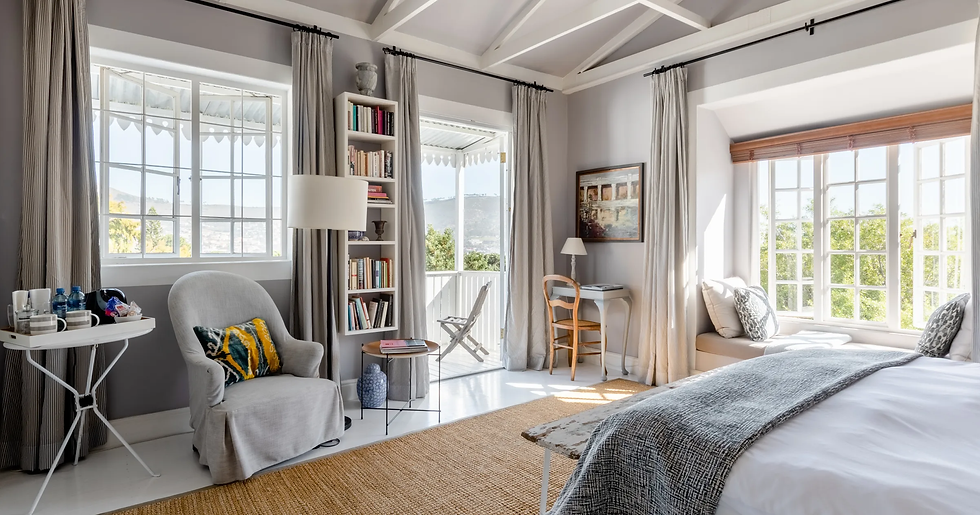
The Property Maintenance Code prohibits kitchens and other non-habitable spaces from being used as sleeping rooms.
Bedrooms must meet life-safety requirements.
To be considered a legal bedroom, a room must meet applicable building and safety requirements, including items such as:
Emergency egress
Required light and ventilation
Minimum ceiling height
Smoke alarms
Other applicable life-safety standards
Rooms that do not meet these requirements generally cannot be counted as legal sleeping rooms.
Bathroom Access Matters, Too
The City also considers whether occupants have reasonable access to bathroom facilities. The Property Maintenance Code requires every dwelling unit to contain a toilet, lavatory, and bathtub or shower in good working order, with occupants able to access those facilities without passing through another bedroom or another dwelling unit. While there is no set formula requiring a certain number of bathrooms based on occupancy, the overall layout of the home—including convenient access to bathroom facilities—is an important part of ensuring a safe and habitable living environment for guests.
Occupancy Is Not the Same as Sleeping Capacity
Many hosts assume occupancy is determined using a simple formula such as "two guests per bedroom." Others assume that adding sofa beds, bunk beds, air mattresses, or cots automatically increases the number of guests allowed.
That's not how the City reviews STR permits.
The occupancy shown on your permit should be supported by your floor plan, your legal bedrooms and designated sleeping areas, and the requirements of the San Antonio Property Maintenance Code. Simply having additional places where guests could sleep does not necessarily increase the permitted occupancy of the property.
Why This Matters
The occupancy listed on your STR permit is an important safety measure designed to help ensure guests have adequate living space and safe emergency egress in the event of an emergency.
Taking the time to accurately identify your legal bedrooms, sleeping areas, and proposed occupant load can help avoid delays during the permit review process and ensure your permit accurately reflects your property.
If you have questions about how occupancy is determined or how to complete your application, the City of San Antonio Development Services Department is happy to help. You can also contact the Short-Term Rental Permit Team with questions at dsdshorttermrentals@sanantonio.gov.
At STRASA, we're committed to helping hosts understand the permitting process so they can operate safe, legal, and successful short-term rentals.
Join us for only $25 a year and receive unlimited support, networking, and other resources to help you run a successful short term rental in San Antonio!


Comments