


Hospitality That Prioritizes Clarity, Preparation, and Trust
From an Airbnb Superhost friend in Portugal: a different guest perspective. I found this interesting and thought provoking. Enjoy. - Shelley
Wu Wei (无为), often translated as “non-action” or “effortless action,” is a central Taoist philosophy that teaches that not every situation requires an immediate response, and that sometimes the best outcome comes from allowing things to unfold naturally. It is not passive inaction, but an intentional approach to doing without over-doing, emphasizing harmony, awareness, and balance.
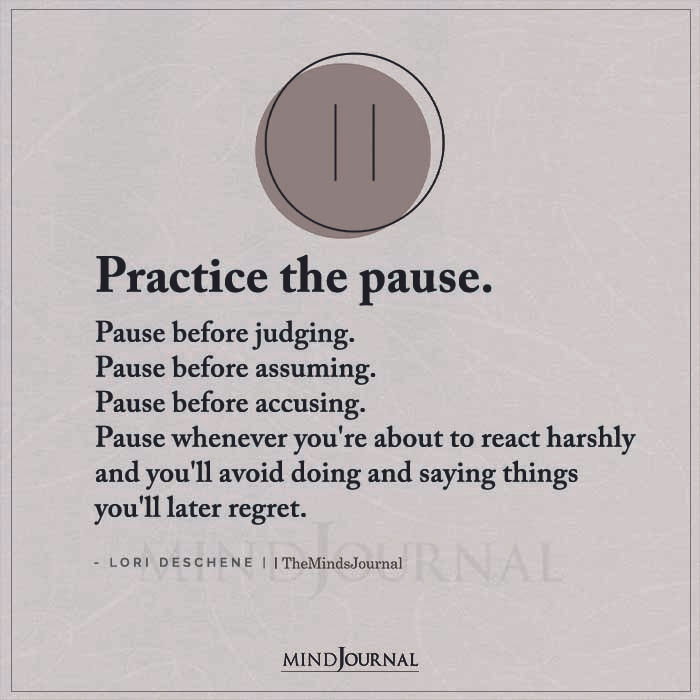
Applied to hospitality, Wu Wei transforms service from a reactive, transactional process into a more thoughtful and sustainable practice. It encourages hosts to move away from constant, immediate response toward a model that prioritizes clarity, preparation, and trust in both the guest and the environment.
Intuitive and Invisible Service
Rather than reacting instantly to every question, effective hospitality anticipates needs in advance through clear communication, thoughtful setup, and well-designed spaces. When instructions are visible and intuitive, many guest questions resolve themselves without intervention. This reduces friction and allows the experience to feel seamless, not managed. The goal is not to do more, but to do what matters most, at the right time.
Balanced Responsiveness
Wu Wei introduces an important distinction between urgency and convenience. A true issue, such as a problem with access, safety, or essential systems, requires immediate attention. But questions with answers already provided, such as the location of common items or posted information, do not always require instant replies. Allowing a brief pause often gives guests the opportunity to find answers independently, which they frequently do within minutes. This approach reduces unnecessary dependence and creates a more confident guest experience.
The Flow State in Guest Relations
Operating from a place of calm awareness allows hosts to respond with clarity rather than stress. Instead of feeling pressured to be constantly available, the host remains present and intentional. Interactions become more natural, less scripted, and more effective. Challenges are handled with flexibility, not urgency for its own sake.
Creating a Natural Environment
A well-prepared space, clear guidebooks, and thoughtful details create an atmosphere where guests feel comfortable navigating on their own. Over-managing or over-communicating can disrupt that ease. Wu Wei favors a lighter touch, allowing the stay to feel relaxed rather than controlled.
Sustainable Hosting
In the short-term rental world, there is significant pressure to respond instantly and be available at all times. Platforms reward speed, and guests often expect immediate answers. Over time, this creates a cycle where hosts become tied to their phones, unable to step away or fully engage in their own lives. This is not sustainable.
Applying Wu Wei means setting small, intentional boundaries. It means recognizing that not every message requires an immediate reply, and that doing less in the right moments often leads to better outcomes for both host and guest. It is not a lack of professionalism. It is disciplined, thoughtful service.
In essence, Wu Wei in hospitality is about acting with clarity, ease, and restraint. It replaces urgency with intention, and control with trust.
And the best way to take care of our business is to take care of ourselves first.
How do you/would you use Wu Wei in your STR business?
More information: https://themindsjournal.com/wu-wei-taoist-philosophy/
Join STRASA today for more insider tips, information, and networking in the San Antonio STR community.


Comments